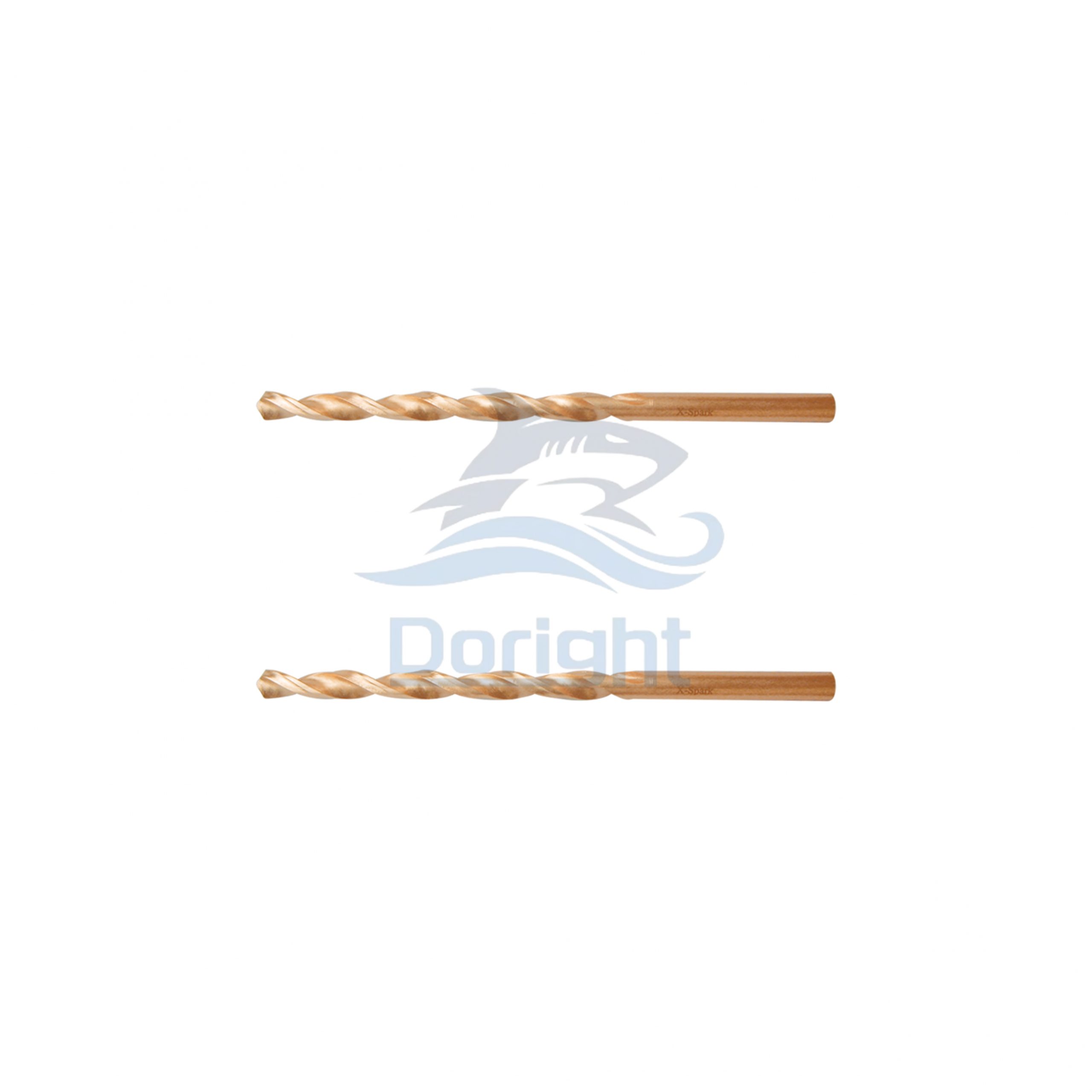

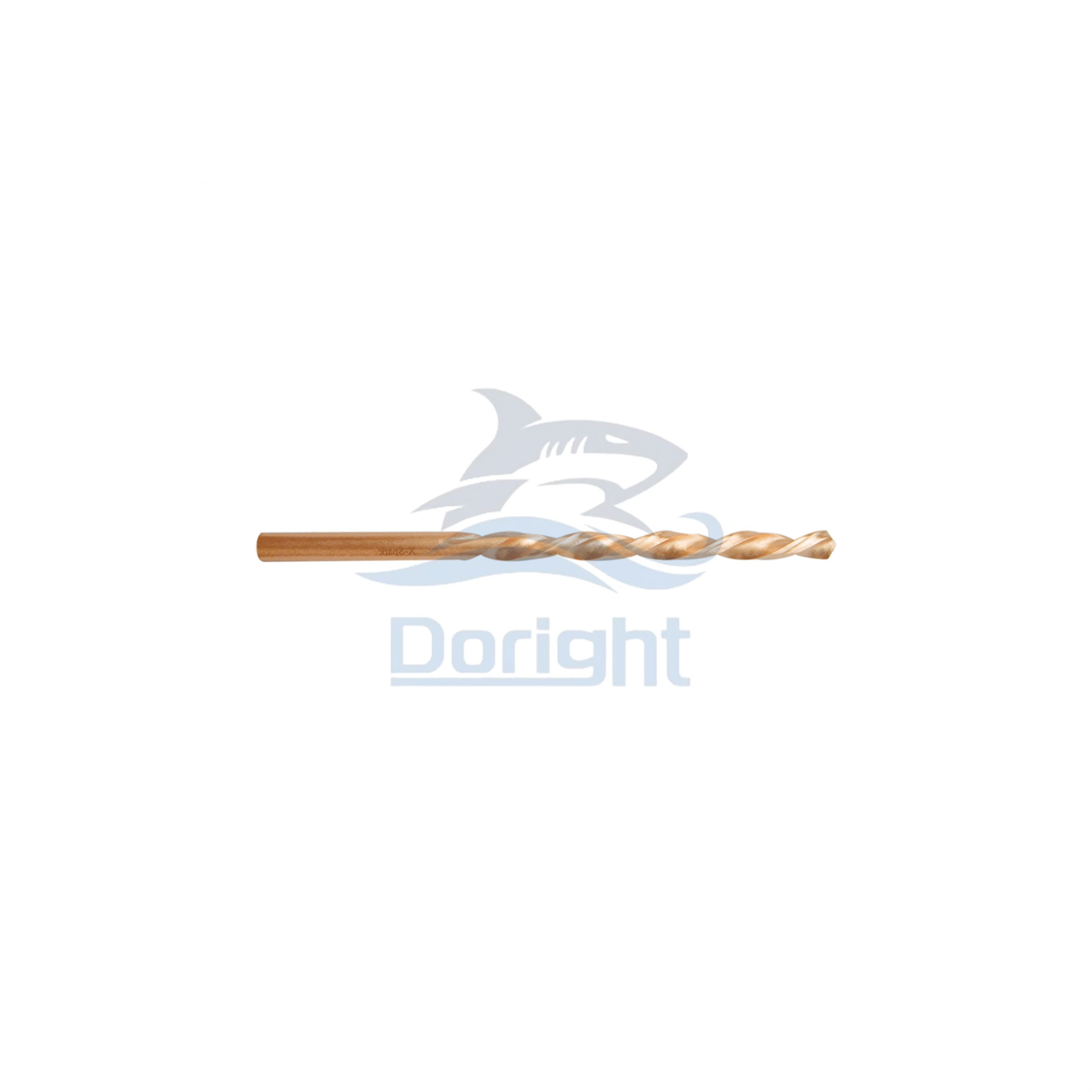
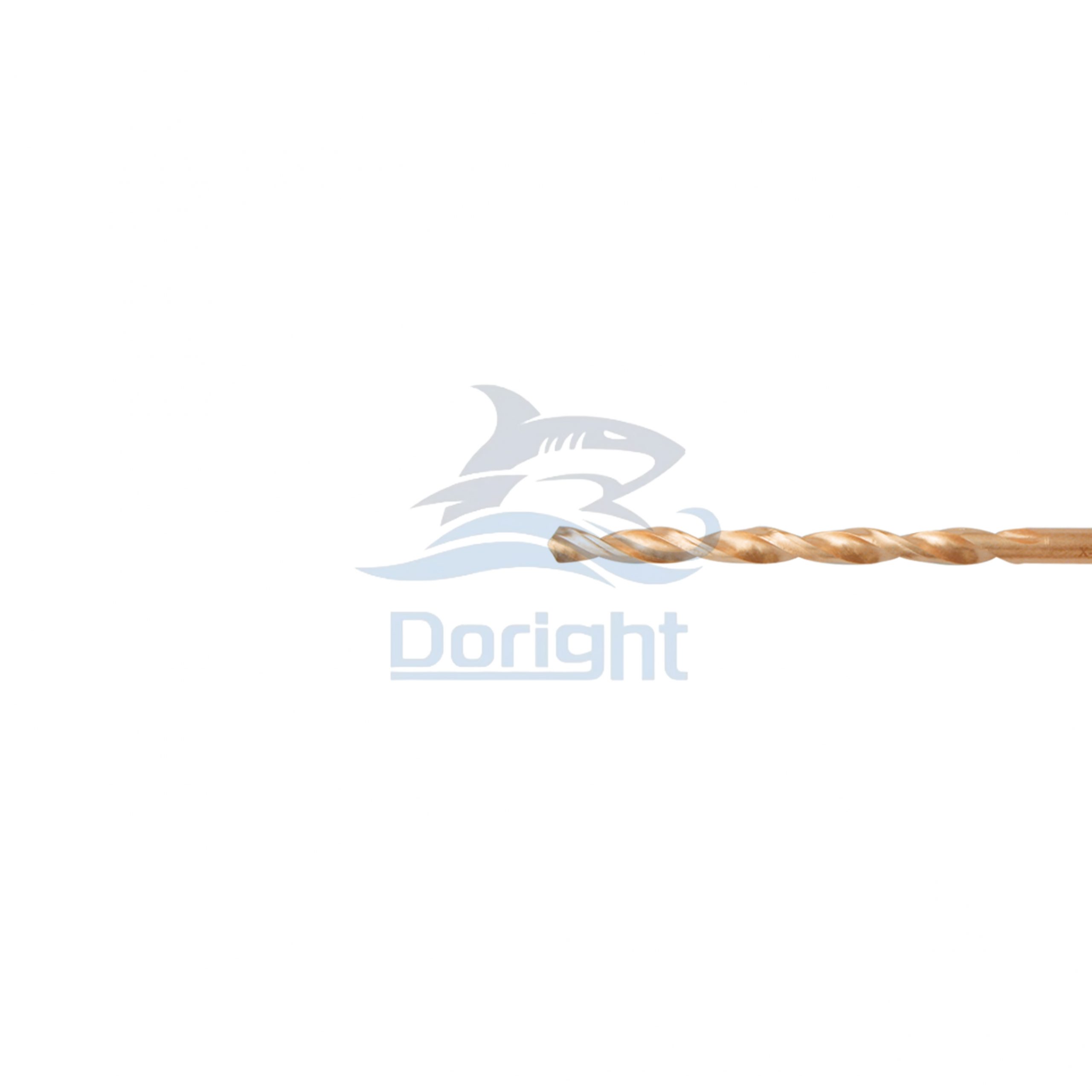



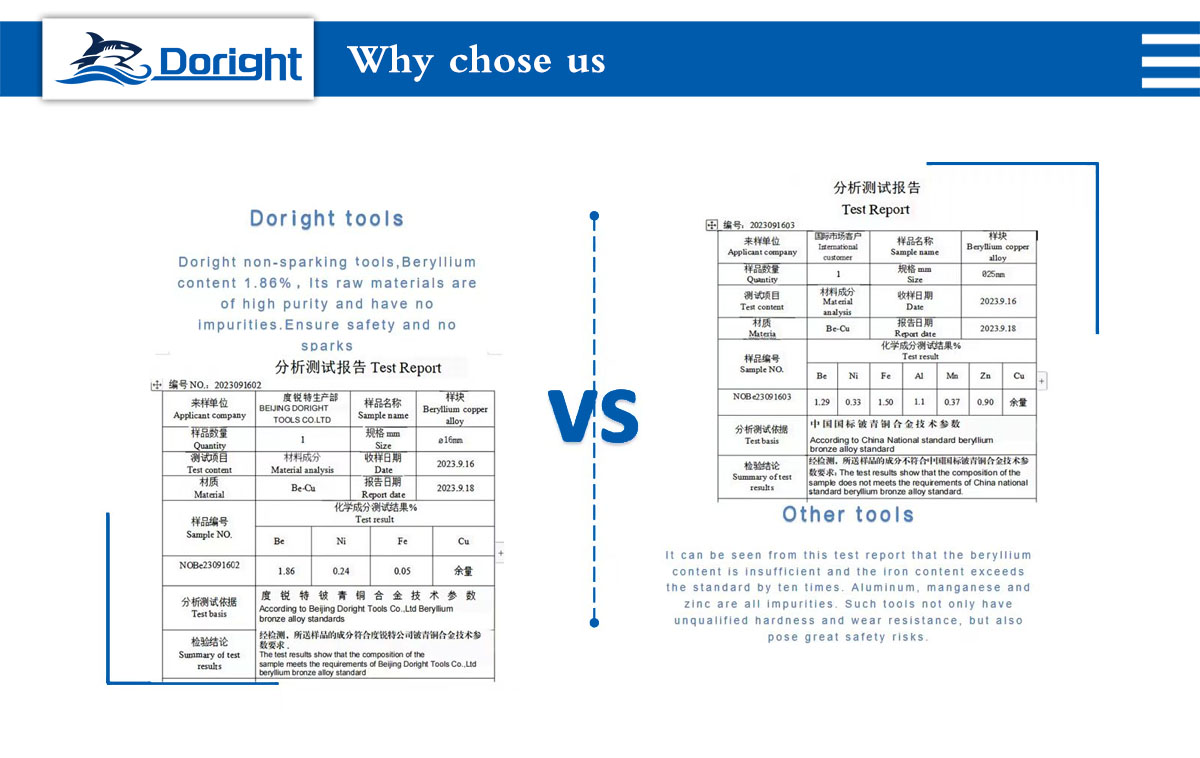

Non-sparking drill bits are specialized tools made from non-ferrous alloys, such as beryllium copper (Be-Cu). They are designed to minimize sparks during drilling, keeping energy levels below the ignition threshold of flammable gases, vapors, or dust.
The explosion-proof drill bits are corrosion-resistant, non-magnetic, and dimensionally precise, making them essential for safe drilling in hazardous environments, including oil and gas facilities, chemical plants, and mining operations.
The explosion-proof drill bit features a spark-resistant design, including smooth cutting edges and precise geometry, which minimizes the chance of accidental ignition. This design ensures reliable performance while keeping operators and equipment safe.
The non-sparking drill bit delivers reliable quality backed by Q/ZBF-312 compliance. The tool meets safety and performance requirements for use in hazardous and explosive environments. With certified quality, the explosion-proof drill bit supports stable operation in industries.
Corrosion Resistance: Cu-Be alloys resist oxidation, fuel exposure, and chemical vapors, ensuring long-lasting performance in offshore, chemical, and refinery applications.
Non-Magnetic Properties: The non-magnetic nature of these drill bits allows safe operation around sensitive electronics, navigation instruments, and MRI environments.
Reduced Heat Generation and Wear: Low friction and excellent mechanical properties minimize heat buildup, reduce tool wear, and maintain precision during extended drilling operations.
Explosion-proof drill bits require a clean and controlled work environment before drilling begins. Remove loose iron particles, metal fragments, or abrasive debris from the drilling surface, as hard contaminants may create friction sparks. Non-sparking drill bits also perform best when the workpiece is securely clamped, reducing tool vibration and preventing accidental impact.
At the beginning of any operation, non-sparking drill bits should be paired with compatible drilling machines. They work well with pneumatic drills, low-speed explosion-proof electric drills, or standard handheld drills used in controlled industrial zones. Explosion-proof drill bits are often recommended for ATEX-rated areas because they minimize the risk of ignition even under continuous pressure.
When drilling begins, non-sparking drill bits must run at a moderate rotational speed. Cu-Be materials are softer than high-speed steel, so a low-to-medium RPM helps maintain stability, reduce friction heat, and extend tool life. Light, consistent forward pressure is ideal. Excessive force can dull the edges prematurely or cause unnecessary surface impact, which contradicts the safety purpose of explosion-proof drill bits.
To maintain smooth drilling, non-sparking drill bits should be withdrawn periodically to release chips. This keeps the flutes clear and prevents jamming. Explosion-proof drill bits perform best when chip evacuation is continuous, as retained debris can increase friction and slow the drilling process. Good chip control also enhances overall precision.
| Number | Φ (mm) | L (mm) | Be-Cu (g) |
|---|---|---|---|
| 312-1002 | 6 | 100 | 20 |
| 312-1004 | 7 | 120 | 30 |
| 312-1006 | 8 | 140 | 50 |
| 312-1008 | 9 | 160 | 75 |
| 312-1010 | 10 | 180 | 100 |
| 312-1012 | 11 | 200 | 120 |
| 312-1014 | 12 | 220 | 170 |
| 312-1016 | 13 | 240 | 220 |
| 312-1018 | 14 | 260 | 280 |
| 312-1020 | 15 | 280 | 360 |
| 312-1022 | 16 | 300 | 440 |
| 312-1024 | 17 | 300 | 500 |
| 312-1026 | 18 | 320 | 600 |
| 312-1028 | 19 | 320 | 700 |
| 312-1030 | 20 | 330 | 800 |